Foundations of Herbal Blending
Understand base notes, top notes, and complementary botanical pairings through a six-week self-paced curriculum with printable worksheets.
Spinesievevital shares thoughtfully developed herbal tea recipes and blending guidance for home enthusiasts. All content on this website is general and informational in nature.
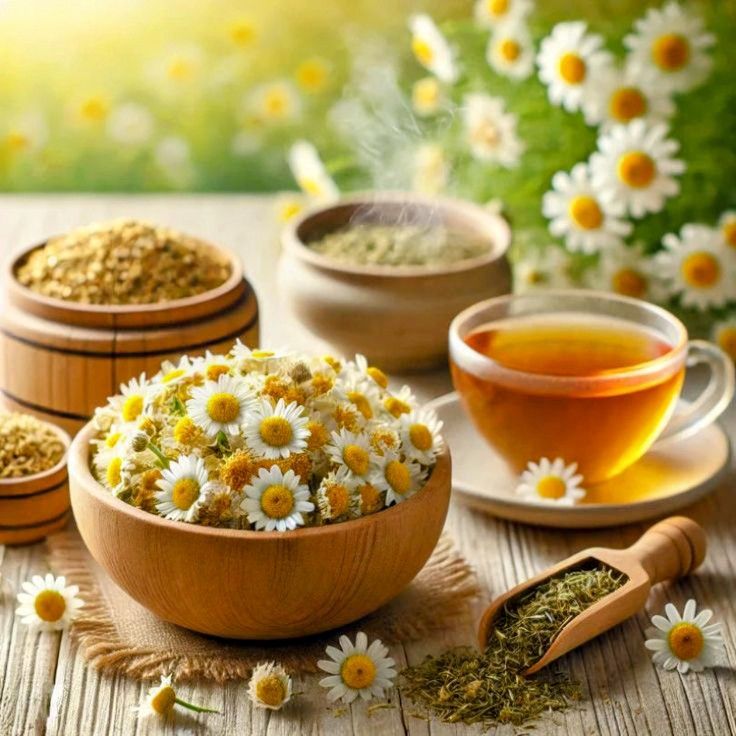
We approach herbal tea as a personal craft. Our recipes draw from Nordic seasonal traditions and global botanical knowledge, shared purely for educational enjoyment.
Each blend includes steeping notes, ingredient ratios, and pairing suggestions focused on taste and preparation. This is general information about tea making — not professional advice of any kind.
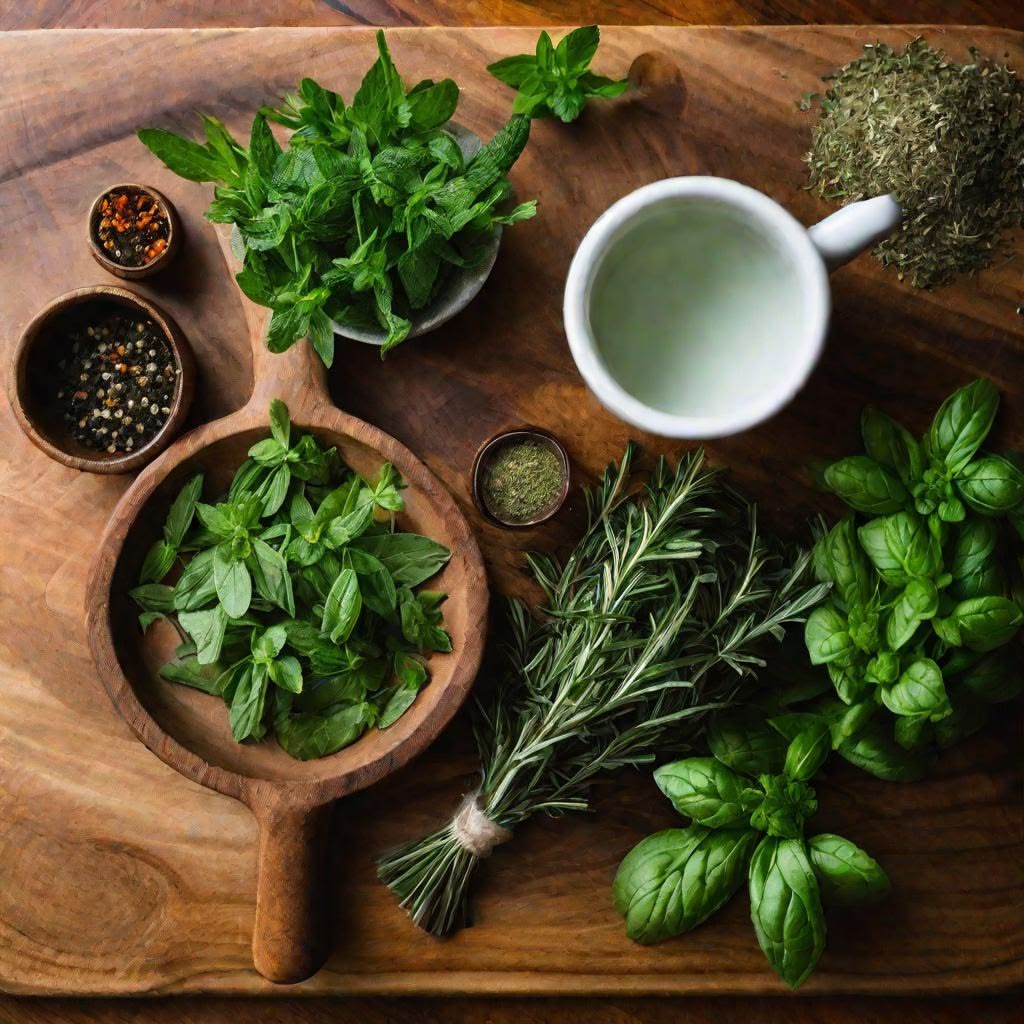
Structured educational programs designed for enthusiasts at every stage of their blending journey.
Understand base notes, top notes, and complementary botanical pairings through a six-week self-paced curriculum with printable worksheets.
Recipes aligned with Finnish harvest cycles.
Temperature, timing, and vessel selection explained.
One-on-one sessions where we discuss your flavour preferences and create a custom educational blending plan tailored to your taste profile.
Pine needle tips, birch leaf, and dried lingonberry create an earthy Nordic profile. Steep at 85°C for four minutes.
Dried ginger, lemongrass, and orange peel combined for a bright, citrus-forward cup suited to morning tasting sessions.
Chamomile flowers, linden blossom, and a hint of vanilla bean for a mild floral cup suited to late-day tasting.
The seasonal blending guide helped me understand which botanicals pair well together. I appreciate that everything is presented as general information without exaggerated claims.— Elin K., Helsinki
Our published methodology reflects years of home blending experimentation shared for educational purposes.
Choose dried herbs from reputable suppliers. We recommend organic, whole-leaf ingredients whenever possible for richer flavor extraction.
Use a kitchen scale for consistent results. Most of our recipes specify weights in grams rather than volume for accuracy.
Delicate flowers require lower temperatures around 80°C, while roots and bark benefit from near-boiling water at 95°C.
Keep a blending journal. Note steeping times, ratios, and personal impressions to refine your approach over time.
Transparency matters. Here is what you should know before exploring our recipes.
Whether you need a single recipe recommendation or a full personalized plan, our team is here to assist with general herbal tea guidance.